

[Home Renovation First Step] Beginner's Essential Renovation Guide: 5 Things You Must Know Before Starting Work
Buying a property is certainly a major life event. When you're preparing to renovate your new home, it's natural to feel overwhelmed. For first-time homeowners, the first renovation can feel like a big adventure, with too many details to consider: What's the budget? What design style is best? Which materials are suitable? How do you find the right renovation company? Every decision has a profound impact. But there's no need to worry too much; as long as you prepare thoroughly and follow the correct steps, creating your ideal home isn't that difficult. Below, we've compiled a list of things first-time renovators need to prepare before starting:important considerations, see if they can help you with your new home renovation~
Content Summary

1. Unit and Family Status: The First Step in Renovation
The first step before renovation is to be fully prepared with knowledge. First, clearly understand your home's condition.
- Number of Residents
How many people will live in the new home? Are there elderly or children? Do you needhow many rooms? This is crucial for future space planning.
- Unit Condition
Have a preliminary understanding of the unit's usable area, room layout, and the distribution of basic facilities like water and electricity. Afterwards, ask yourself: Do you want an open-plan kitchen? Are you renovating a new or old building? If the building is older, you might need to pay more attention to existing issues within the unit. This basic information not only helps you plan the space better but also avoids unnecessary expenses from repeated construction later on.

2. Living Needs and Preferences: Creating Shared Spaces
Thorough communication with family members before renovation is essential to create a comfortable living space for everyone.
- Lifestyle Habits
Before starting renovation planning, understand the residents' needs and lifestyle habits, as these will influence space requirements. For example, many workers now WFH, so a comfortable workspace might be needed. Elderly residents might require barrier-free design and non-slip facilities; children need safe play areas and suitable learning environments; pets need dedicated zones and easy-to-clean materials, and so on.
- Storage Space
Of course, also consider everyone's storage needs, such as clothes, shoes, socks, toys, etc., and try to provide sufficient storage space. Installing different storage cabinets or raised platforms could be one solution to consider.
- Ease of Cleaning
If you're busy with daily work and don't clean frequently, you can choose darker colours that won't show dirt too obviously. When selecting wall and floor materials, opt for scratch-resistant, stain-resistant, high-hardness materials like ultra-durable flooring or stone.
- Personal Preferences
Personal preferences, such as colours and styles, are also very important. Different renovation styles will result in varying wall and furniture colour schemes. Some homeowners are strong believers in Feng Shui and metaphysics, so their home designs will incorporate many such elements.
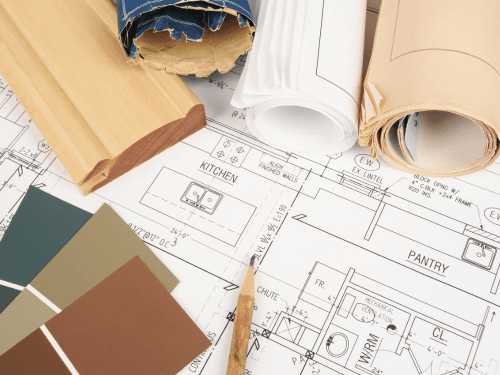
3. Budget Planning: Save Where You Can, Spend Where You Must
- Main Categories of Renovation Costs
Renovation costs can primarily be divided into several major categories: design fees, construction fees, hard furnishing material costs, furniture and appliance costs, and soft furnishing accessory costs. The proportion of these items may vary according to individual needs, but generally, design and construction fees account for the largest share.
- Grasping Budget Allocation Principles
When setting a budget, remember the principle of “save where you can, spend where you must”: foundational works like plumbing, electrical, and partitioning must not be overlooked, as they relate to future living safety and comfort. Improper handling of these issues could lead to future leaks or other problems, ultimately costing more. Decorative items and some furniture can be added in phases, allowing for more flexible spending. It is recommended to reserve 10-20% of the total budget as an emergency fund to cover unexpected situations that may arise during construction.
- Detailed Budget Assessment and Communication
When assessing the budget, you can first estimate the total cost, then reasonably allocate expenses for each item based on actual circumstances. When communicating with designers and construction teams in the future, clearly express your needs and budget to ensure mutual understanding and avoid future discrepancies. It is advisable to ask the design company or contractor to provide a detailed quotation, itemizing material and construction costs for each stage, such as demolition, carpentry, masonry, plumbing and electrical, painting, and lighting. This will help you better control the overall budget and adjust expenditures in a timely manner.
- Flexible Allocation, Reasonable Planning
A reasonable budget allocation allows you to meet basic needs while leaving room for decoration and other personalized requirements. Finally, payment methods for the renovation project must also be clearly communicated with the company in advance. A good working relationship will help ensure the smooth progress of the project and the effective use of the budget.

4. Style Definition: Balancing Practicality and Aesthetics
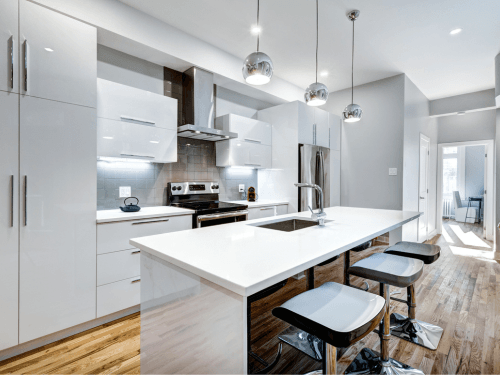
After determining the budget, it's time to start conceptualizing the renovation style. At this point, it's a good idea to do some research, browsing home magazines, websites, and exhibitions. Understand the characteristics of different styles, such as the currently popular Nordic style, modern minimalist style, light luxury style, and so on. Try to collect design images you like to provide as references for your designer, facilitating discussions and creating a personalized living space.
However, it's important to note that when choosing a style, consider actual living needs rather than blindly pursuing trends. For example, if you're busy with work on weekdays, opt for easy-to-maintain materials and designs; if there are elderly or children at home, pay special attention to safety considerations.
5. Finding a Reliable Team: Professionalism and Reputation Go Hand in Hand
Finally, choosing a professional and reliable renovation team is crucial. You should research the reputation and past cases of renovation companies from various sources. While recommendations from trusted friends are ideal, renovation platforms are also a good option. Take, for example, the one-stop service provider裝修佬for instance, clients simply register online, and a professional consultant will immediately contact them to understand their home needs. They will then intelligently match the client with three renovation design companies, providing a three-in-one quotation, allowing homeowners to compare instantly and choose the company that best suits their needs. A professional consultant will diligently follow up throughout the entire renovation process to ensure the project is completed smoothly.
The abovepreparations may have different priorities and steps for different homeowners. But simply put, as long as you make the above preparations, your renovation journey will surely be smoother. Remember, a comfortable home is not about how much it costs, but whether it meets the living needs of you and your family. With careful planning, you will surely create an ideal residence.
Learn more about different property types for freeRenovation Quote:
Public/HOS Flats|https://decoman-publichousing.com/
Private Flats|https://decoman-privatehousing.com/
New Developments|https://decoman-newproperties.com/
Walk-up/Tenement Buildings|https://decoman-tenement.com/
===============================================
***The content and images of this article are provided by the column author裝修佬.***
Book a MooneyBird Real Estate Marketing Consultant now to enhance the effectiveness of your own-brand property website and increase online client enquiries!
Seize the Opportunity Book a Consultation
Please fill in the form below. We will contact you as soon as we receive your message.