

【2025 Popular Interior Design Styles】From Minimalism to the Extreme: Japanese Wabi-Sabi Style, Bringing Slow-Living Natural Beauty into Your Home — Create a Minimalist Home on a Low Budget
In recent years, a Zen-inspired design aesthetic has quietly emerged from traditional Japanese culture onto the international stage, becoming a new favourite among celebrities in Europe and the US — Japanese Wabi-Sabi style. Whether as part of the “Japandi” trend, which combines Nordic and Japanese styles, or presented on its own with its simple and understated qualities, Wabi-Sabi has attracted countless lovers of minimalism with its unique “beauty of imperfection” and “beauty of nature”. Wabi-Sabi is not merely a design style, but also a philosophy of life, teaching us to appreciate impermanence and simplicity, and to return to the essence of living.
The Origins of Wabi-Sabi: From Philosophy to the Essence of Design
The concept of “Wabi-Sabi” originates from ancient Japanese philosophy. Influenced by Taoism and Zen Buddhism from China’s Song dynasty, it gradually developed into a uniquely Japanese aesthetic. “Wabi” represents simplicity and emptiness, while “Sabi” symbolises the natural laws of impermanence and decay. This philosophy emphasises accepting asymmetry and imperfection in things, and discovering pure beauty within them. Wabi-Sabi was first applied in tea ceremonies, architecture and garden design, before later expanding into interior design and becoming a lifestyle aesthetic that blends nature, simplicity and Zen. Today, Wabi-Sabi has moved from traditional Japanese culture to the international stage, and in recent years has become a trend that cannot be ignored in modern home design.
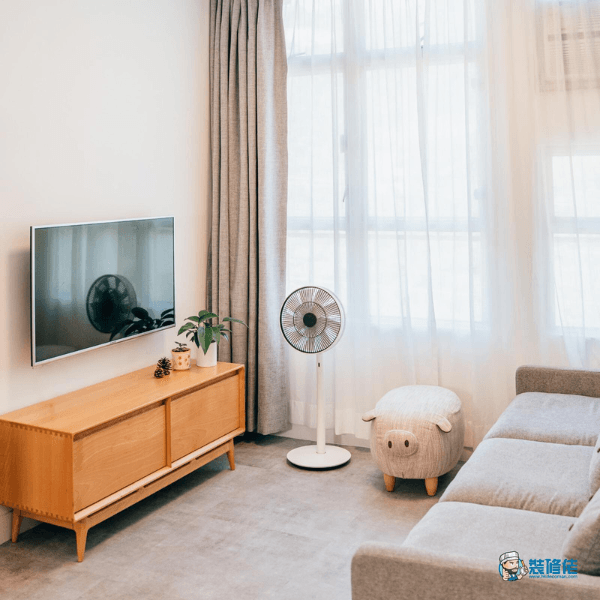
Minimalism: A Lifestyle Philosophy of Simplifying the Complex
Wabi-Sabi and Japanese minimalist aesthetics share the same roots, embracing the design concept of “less is more”. In a Wabi-Sabi space, designers deliberately reduce unnecessary decoration, keeping only essential furniture and objects so that the overall environment feels pure and minimal. In addition, Wabi-Sabi places great importance on “negative space”. This intentionally retained emptiness not only sets off the natural scenery outside the window, but also allows people to sense the flow of air and the stillness of time. This minimalist approach to design not only helps people get away from the hustle and bustle of the city, but also encourages residents to return to the essence of life and find inner peace.
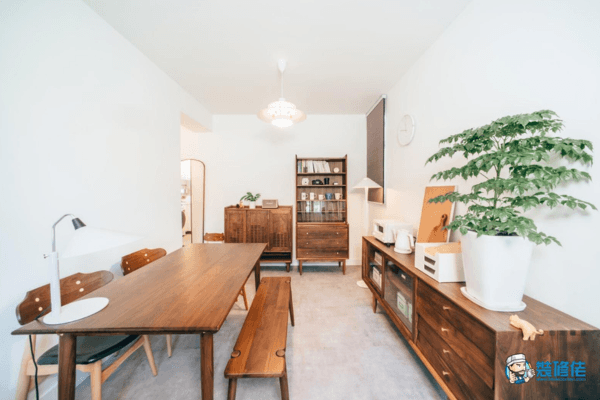
Natural Simplicity: The Soul of Wabi-Sabi Style
The core of Wabi-Sabi style lies in returning to nature, emphasising the raw texture of natural materials and the beauty of imperfection. In interior design, Wabi-Sabi often uses natural materials such as solid wood, bamboo and leather, complemented by simple decorative touches such as a single flower, foliage or potted plant to create a quietly elegant atmosphere. What makes Wabi-Sabi unique is its deliberate preservation of nature’s asymmetry and irregularity — for example, the natural grain of wood and the rough surface of stone — showcasing the authenticity and purity of the natural world. This design approach brings vitality to a space while allowing people to experience the harmonious beauty of nature.
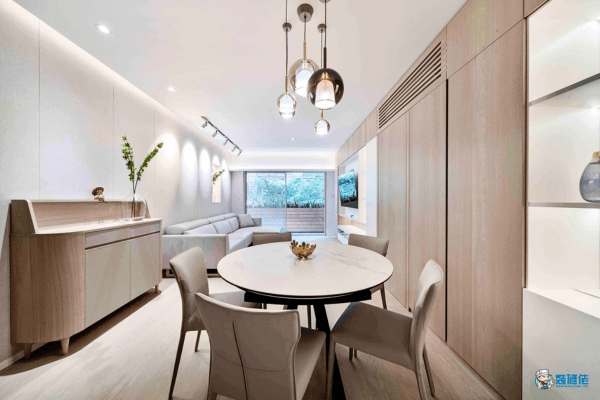
Neutral Warm Tones: Creating a Gentle and Tranquil Atmosphere
The colour palette of Wabi-Sabi is subtle and understated, mainly using low-saturation earth tones such as beige, milk tea and brown. Walls are often finished in greyish white or matte paint, avoiding overly bright colours or materials so that the space feels softer and more refined. In addition, soft warm lighting works beautifully with the tones of natural wood, not only adding warmth to the space but also creating a calm and gentle ambience. This colour scheme is not only a visual pleasure, but can also soothe the mind in a subtle way.
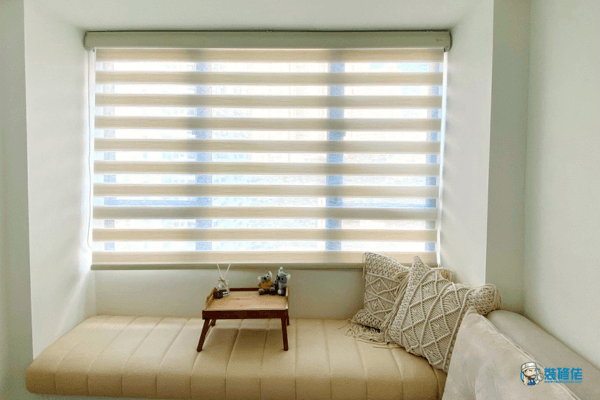
Handicrafts and Plants: Adding Authenticity and Vitality to a Space
In Wabi-Sabi design, handmade items and plants are indispensable decorative elements. Ceramics, handmade fabrics, rattan chairs and other crafted pieces add authenticity to a space with their simple yet distinctive textures, while one or two potted plants or pieces of dried wood can inject vitality into the interior. Although these elements are simple, they reveal a dynamic beauty through changes in light and shadow, making the space warmer and more layered.
Learn more about different property types for freeRenovation Quote:
Public/HOS Flats|https://decoman-publichousing.com/
Private Flats|https://decoman-privatehousing.com/
New Developments|https://decoman-newproperties.com/
Walk-up/Tenement Buildings|https://decoman-tenement.com/
===============================================
The content and images in this article are provided by column author裝修佬provided.
Book a MooneyBird Real Estate Marketing Consultant now to enhance the effectiveness of your own-brand property website and increase online client enquiries!
Seize the Opportunity Book a Consultation
Please fill in the form below. We will contact you as soon as we receive your message.