

5 Data-Driven UX/UI Design Tips to Boost Real Estate Transactions
Data-driven property website optimization plays a crucial role in the real estate industry. Real estate agencies, by analyzing and applying visitor behavior data, can continuously optimize property website design to meet different user needs, thereby achieving the goal of increasing conversion rates. These optimization strategies involve the application of data from various aspects, from user click behavior and dwell time to the effectiveness of specific calls to action (CTAs). Here are the specific roles of data-driven approaches in real estate website optimization.

Data-Driven Strategies: How to Help Real Estate Agencies Increase Property Transactions
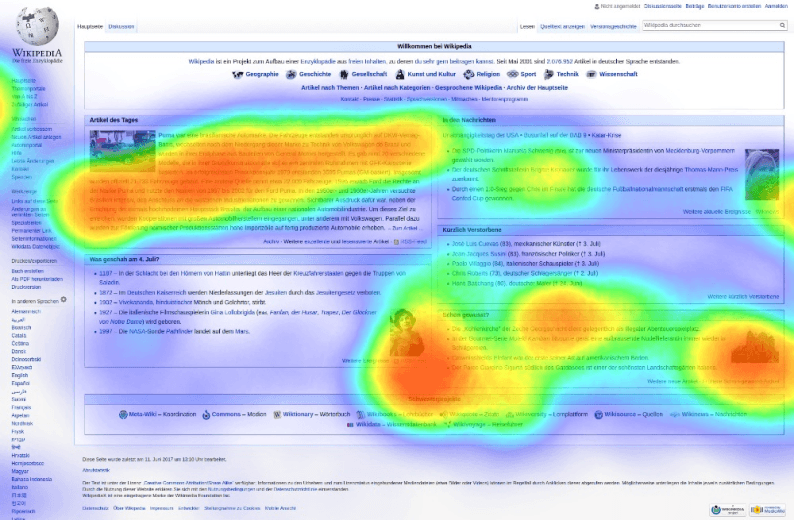
1. Data-driven application of Heat Maps
Analyzing website data can help real estate companies understand user behavior more clearly, identify problem areas on property websites, and adjust designs in real-time. For example, through visitors' click heat maps (Click Heat Map), understanding visitor behavior on the property portal, website designers can understand which buttons or property-related images attract the most attention, which property pages have the shortest user dwell time, thereby identifying specific directions for improvement.
2. A/B Testing to Optimize Property Transactions
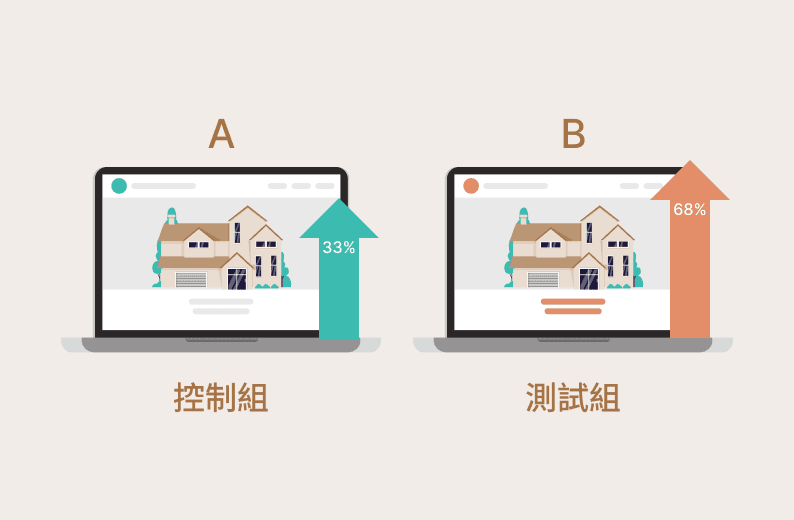
A/B testing (also known as split testing or bucket testing) is one of the commonly used methods in data-driven design. By simultaneously displaying different versions of property pages and comparing their click-through rates, submission rates, orother data metrics, property website designers can determine which design leads to higher property transactions. For example, testing CTA buttons with different color schemes to determine which color is more attractive for user clicks. Such continuous cyclical testing and optimization can ensure that the property website is always in its optimal state and maximize conversion rates.
3. Content Customization and Personalized Experience
Modern users increasingly expect a personalized browsing experience, and data analytics provides strong support for this. Property websites can automatically recommend relevant property listings or articles to users based on their browsing history, behavioral data, etc., further increasing user engagement and purchase intent. For example, if a property viewer has repeatedly viewed properties in a certain area, the website can prioritize displaying the latest property information for that area when they log in again. Such personalized recommendations can effectively promote property transactions.
4. Application of Automated Real Estate Marketing Technology
Data-driven design is not limited to the property webpage itself but also includes the overall marketing strategy.Automated marketing technologyallows property websites, based on user behavior data, to automatically send personalized marketing emails or push promotional offers to users at specific moments. Such automated systems not only save time and human resources but also specifically seize the best conversion opportunities and increase user conversion rates.
5. Using Property Data to Optimize Lead Magnet Strategies
The use of lead magnets (Lead Magnet), whether providing free market reports, investment guides, or real estate expert advice, all aim to attract users to leave contact information. However, the design and presentation of lead magnets in the real estate industry also require data support. Through data analysis, it can be evaluated which resources can more effectively attract property viewers to submit forms, and at which stage of user behavior it is most appropriate to display these lead magnets, thereby improving their conversion effectiveness.
Conclusion: Utilizing Data-Driven Design to Achieve Property Website Conversion Improvement
Property website optimization is no longer solely based on experiential design or aesthetic priority. Data-driven design strategies make conversions measurable and achievable specific goals. Through continuous data monitoring and analysis, property websites can make personalized adjustments for different user needs. A/B testing helps determine the best design solutions, while automated marketing ensures users are guided to the next action at critical moments.
Data-driven design strategies not only enhance the overall user experience but also effectively increase property transactions, helping real estate companies achieve long-term business growth. With continuous technological advancements, the real estate industry will further deepen the application of property data, by continuously optimizing the property website experience, ushering in more efficient real estate marketing and sales methods.
Book a MooneyBird Real Estate Marketing Consultant now to enhance the effectiveness of your own-brand property website and increase online client enquiries!
Seize the Opportunity Book a Consultation
Please fill in the form below. We will contact you as soon as we receive your message.