

The core function of anti-mould paint comes from its special formulation. It is mainly based on acrylic resin, with active ingredients such as antibacterial agents and anti-mould agents added to form a protective layer that inhibits mould. Some anti-mould paints also contain slaked lime (calcium hydroxide), using its strong alkalinity to create an environment unfavourable for mould growth. These ingredients provide dual protection: on one hand, they form a physical barrier on the paint surface to prevent moisture from penetrating the wall; on the other, they inhibit mould reproduction and growth through chemical action, achieving long-lasting anti-mould performance.
- Environmental safety
When choosing a product, prioritise non-toxic and harmless ingredients. We recommend selecting odour-free, low-VOC (volatile organic compounds) and zero-formaldehyde products. These products are not only more environmentally friendly, but also less harmful to the human body. Formaldehyde in particular can pose greater health risks; long-term exposure may cause respiratory discomfort, eye irritation and even increase cancer risk. Extra attention should therefore be paid when purchasing, especially if there are young children, pregnant women or people with sensitivities at home.
- Brand reputation
Well-known brands usually invest more resources in product R&D and quality control, so their anti-mould paints generally offer better performance and stability. It is recommended to choose branded products with a good market reputation and relevant certifications.
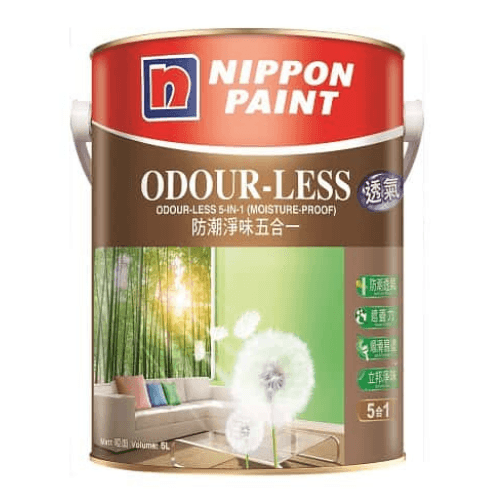
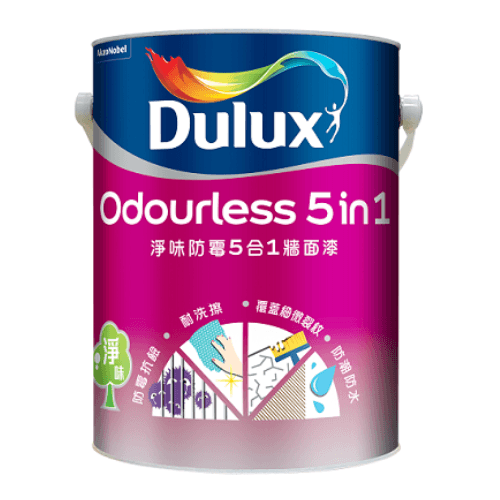
A variety of moisture-proof and anti-mould paints are available
- Assessment of suitable environments
Choose the right product according to the characteristics of the space. For high-humidity areas such as bathrooms, products with particularly strong waterproof performance should be selected; for general living areas, products that emphasise breathability may be more suitable.
- Choice of colour pigments
When choosing colour pigments for anti-mould paint, special attention is needed, as different pigments can affect the paint’s anti-mould performance and practicality. Dark pigments tend to absorb more heat, which can cause wall temperatures to rise, leading to moisture condensation and increasing the risk of mould growth. Light or neutral-toned paints are recommended, as they not only reduce heat absorption but also make it easier to spot any mould stains on the wall.
- Value-for-money considerations
When assessing product prices, do not simply compare the selling price. Factors such as service life and maintenance costs should also be considered as a whole. Although high-quality anti-mould paint may require a higher initial investment, its durability means it can be more cost-effective in the long run.
Read more: 【Home DIY】Complete DIY Painting Guide: Create Your Ideal Home with Colour
If you want to refresh your home walls, or simply switch up thecolour tonebut are not quite sure where to start, you can sign up forRenovation Academy’sPractical Skim Coating and Painting Courseto learn practical painting techniques. From stripping the base, skim coating and sanding to applying paint, specialist painting instructors will guide you step by step. You can learn and apply the skills immediately, get hands-on practice, and avoid having to spend extra money hiring apainter — it really saves you quite a bit!